


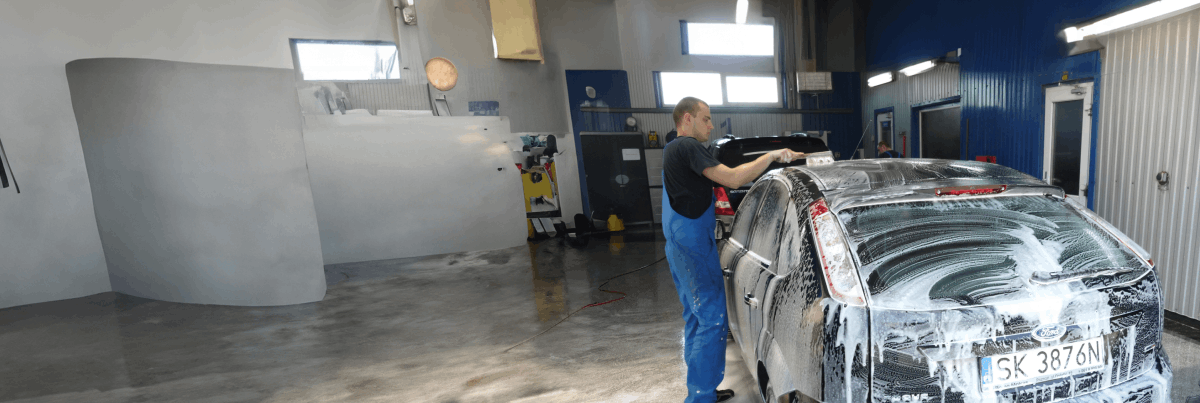

Have you noticed swirls in your car’s paint? If you own a car, it’s likely you have. Swirl marks are one of the most common paint issues. It’s no wonder that many car owners ask how to get rid of them.
These marks are tiny scratches that show up on the surface of your paint. They often come from washing or drying your car the wrong way. Swirl marks can also trap dirt and grime, making it tough to keep your car clean. This means you might end up spending more on upkeep.
It’s important to address swirl marks quickly. Let’s learn more about them and how to remove them from your car.
What Causes swirl marks?
Swirl marks happen mainly due to incorrect washing or drying methods.
One common mistake is using only one wash bucket for soapy water. Instead, use a second bucket filled with clean water. Rinse your mitt or sponge in this fresh water after each use to remove dirt and contaminants. This simple step can help prevent swirl marks.
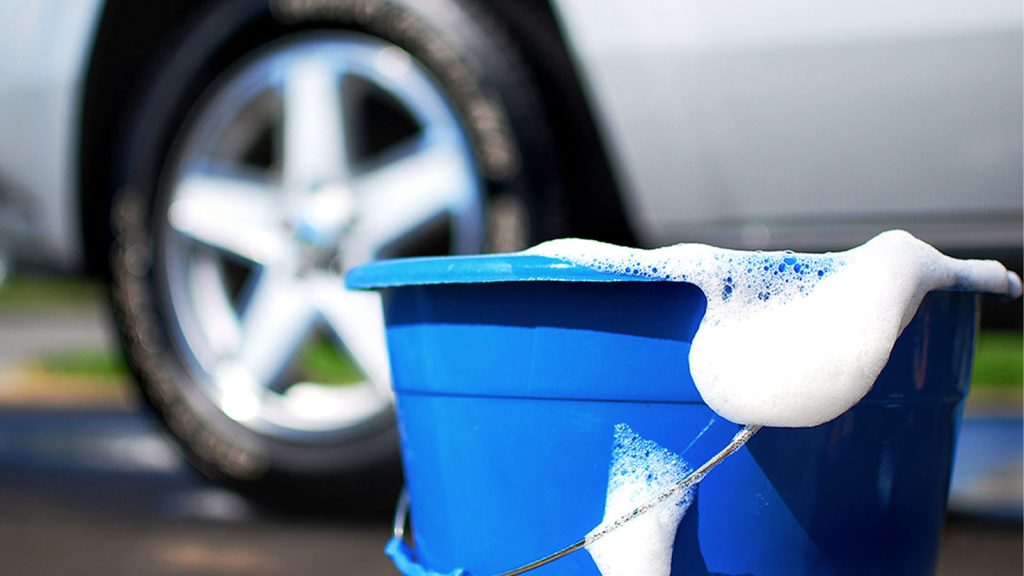
Another issue is skipping the pre-wash. If you use a wash mitt or sponge without rinsing first, you risk dragging dirt across your car’s surface, which creates swirl marks. If you can, start by using a pressure washer to remove dirt before washing. This way, you clean your car effectively without harming the paint.
Wrong products:
Harsh cleaning products can leave swirl marks on your car. For example, towels and applicators made with polyester fibers can create these marks over time. It’s best to steer clear of strong polishing compounds and paint cleaners because they can scratch the paint’s surface.
Not Drying the Car Properly:
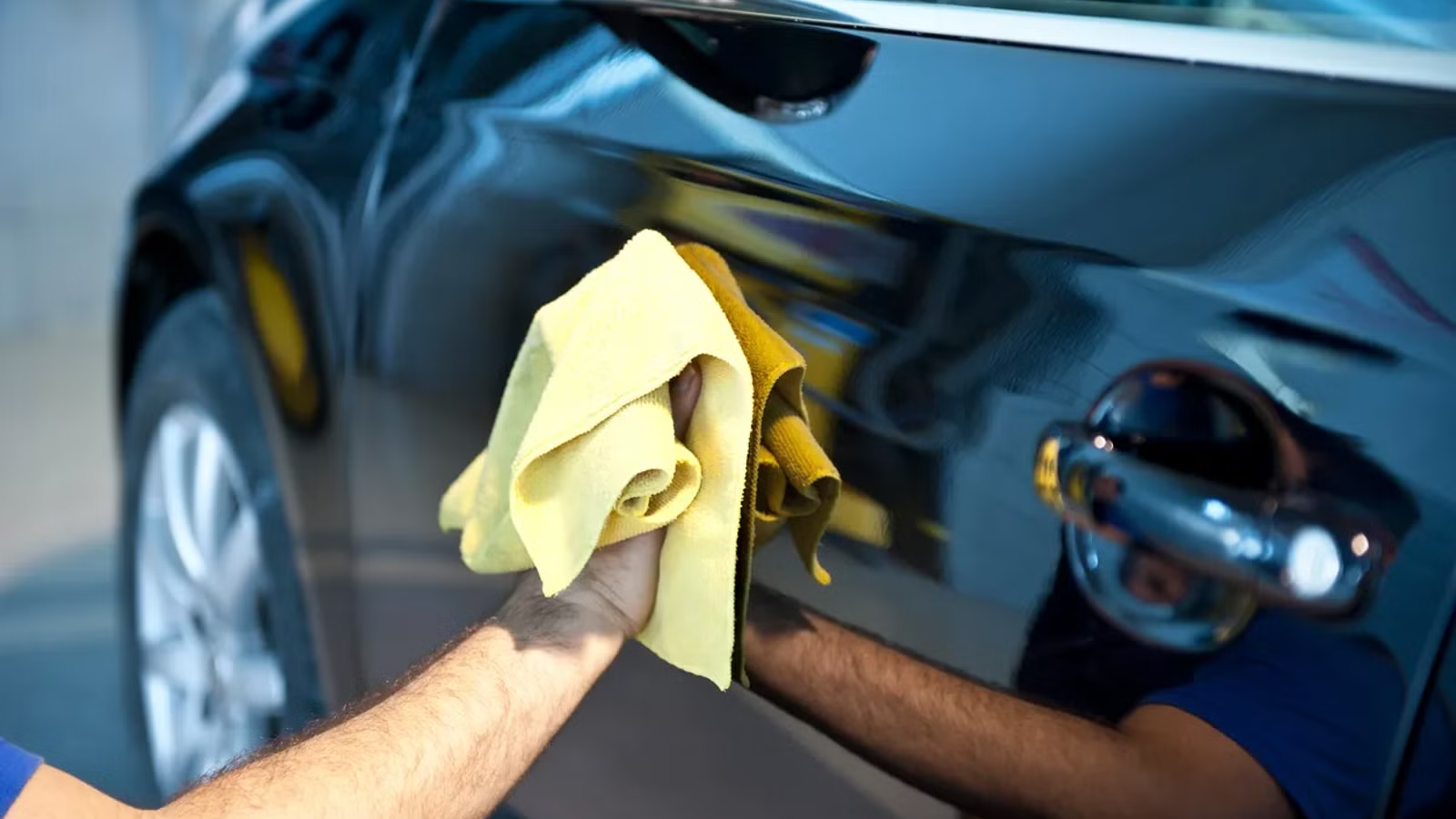
Improperly drying your car can also lead to swirl marks. Always use a clean, soft towel or cloth for drying. Never use a dirty towel, as it can cause more damage.
Using an Automated Car Wash:
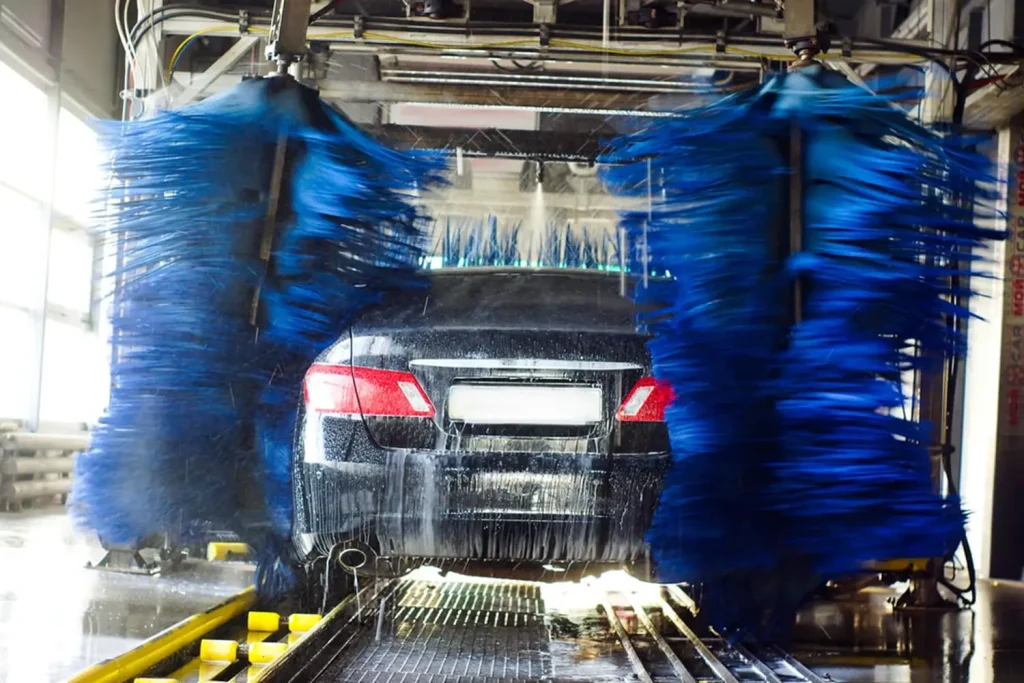
An automated car wash can damage your car. The rotating brushes pick up dirt and debris from washing many vehicles each day. This might leave tiny scratches on your vehicle’s surface. If you have a new car, it’s best to avoid using an automated car wash frequently.
Where Do Swirl Marks Commonly Appear?
Swirl marks can appear anywhere on your car’s paint, but they are most often seen on flat areas like the hood, roof, and trunk. The sides of the vehicle usually show them less.
On dark-colored cars, swirl marks stand out more. Black cars are particularly prone to showing these marks, especially on the doors and fenders.
Light-colored cars can still get swirl marks, like a white sedan, but they are harder to spot because lighter paint reflects more light. You’re less likely to notice them in bright sunlight; they become clearer in the shade or when the car is wet.
How to Identify Swirl Marks?
To remove swirl marks, the first step is to recognize them. While a regular person might confuse swirl marks with scratches, an experienced auto detailer can easily tell them apart. Swirl marks have specific features that set them apart from ordinary scratches. Here’s what you should know.
Swirl Marks:
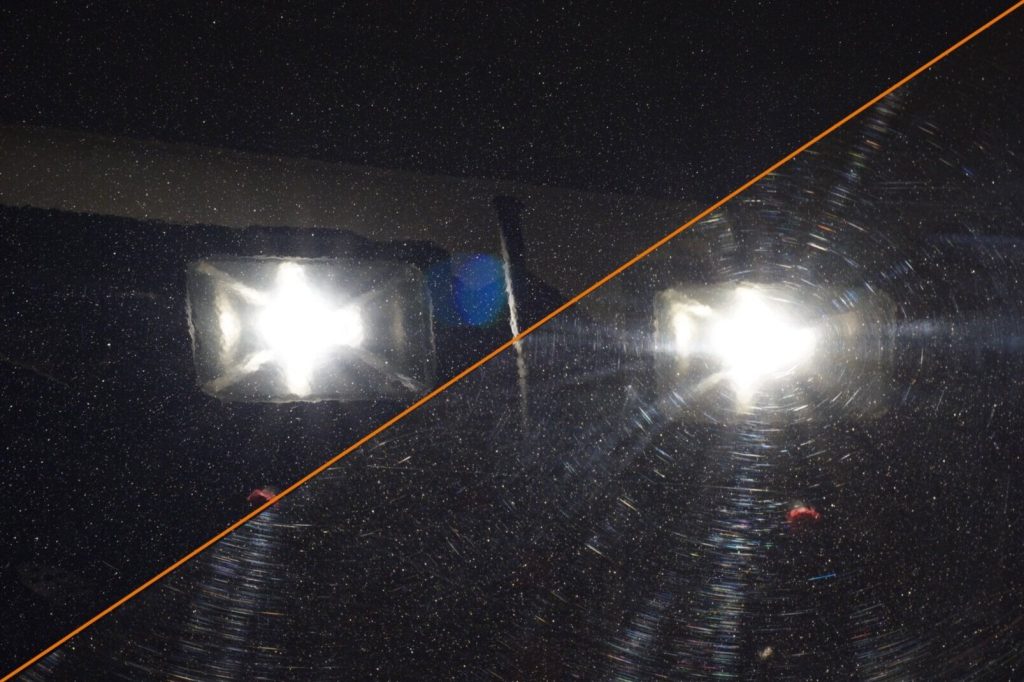
- have a constant diameter and resemble cobwebs or spiderwebs.
- are the most prevalent kinds of paint flaws.
- only show up on the clear coat’s surface.
- Don’t scratch through the paint surface.
Scratches:
- Random patterns and shapes.
- frequently come from deep gashes or sharp objects like keys or rocks.
- More than just swirl marks.
- Often affecting the paint’s color layer.
- It might even reach the primer.
- Occasionally, exposing bare metal.
- Swirl marks are typically no deeper than 2-4 microns, in contrast to scratches. Therefore, they only reach the clear coat of paint’s surface.
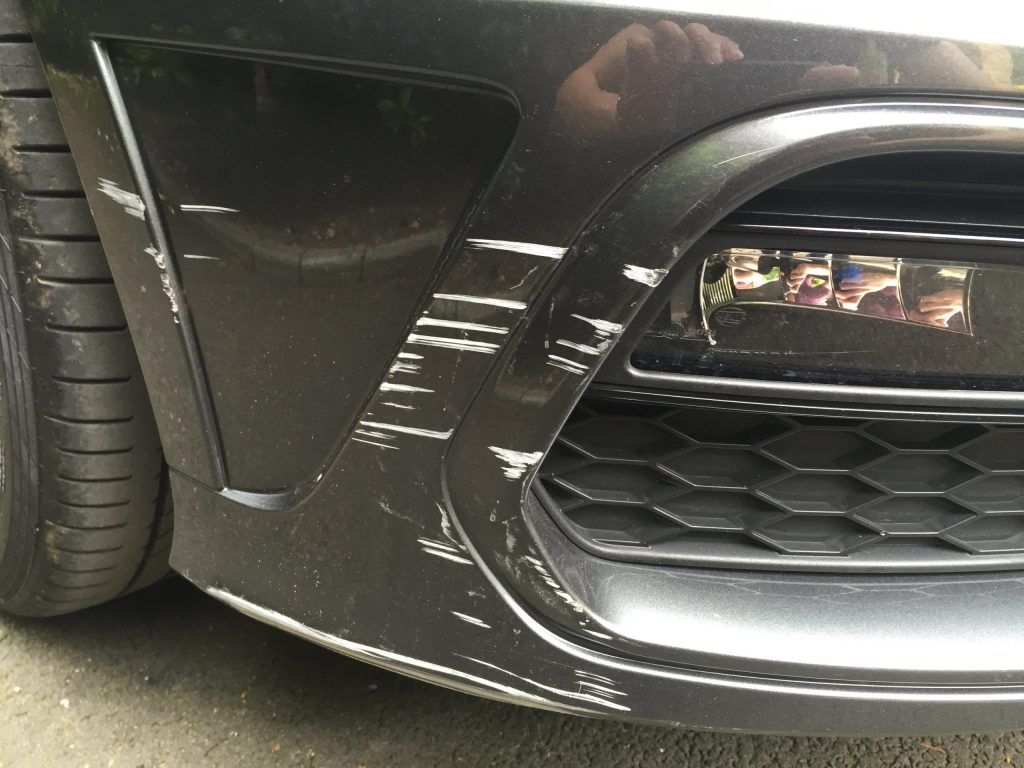
Additionally, there are various kinds of swirl marks, such as:
- Wash Marrings: These flaws vary in depth and area and manifest as swirls or straight lines.
- Dual Action Haze (Micro Marrings): These are uniform swirl marks that appear sporadically. Because micro marrings are tiny swirl marks, they are easier to see in direct light sources like sunlight or fluorescent lights.
- Buffer swirls are thicker than other kinds of swirl marks. In bright or white fluorescent light, they are easier to see and have a more uniform diameter.

